

Universal Testing Machines serve as indispensable tools in the realm of product development, offering a wealth of insights into material behavior that underpin successful design processes. From evaluating structural integrity to assessing performance under varying conditions sieve test, these machines provide a critical foundation for informed decision-making. By delving into the intricate details of mechanical properties, engineers can fine-tune their designs and optimize product performance. But how exactly do these machines translate raw data into actionable design improvements? Let’s explore the nuanced role they play in shaping the products we rely on daily.
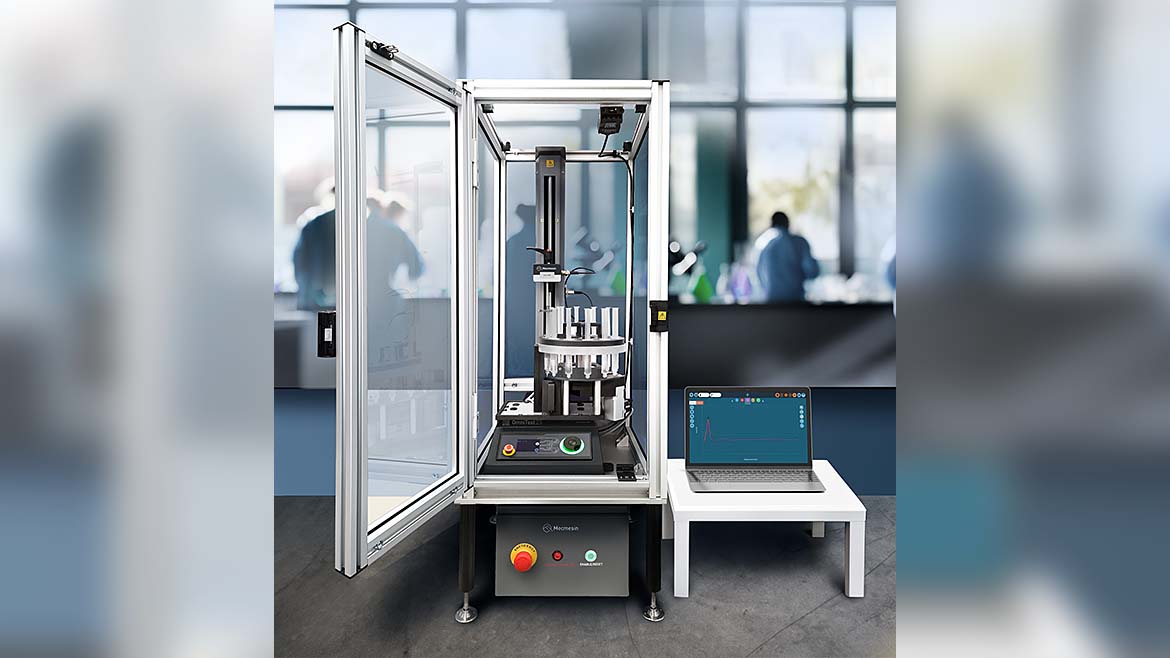
Importance of Universal Testing Machines
In product development, understanding the importance of universal testing machines is crucial for ensuring the quality and reliability of your materials and products concrete sieve test. These machines serve as versatile tools that can accurately assess various mechanical properties such as tensile strength, compression resistance, flexural strength, and more. By subjecting your materials to controlled testing conditions, universal testing machines provide valuable data that enables you to make informed decisions throughout the product development process.
The precision of universal testing machines allows you to identify potential weaknesses in your materials early on, preventing costly failures down the line. Moreover, these machines play a vital role in quality control by ensuring that your products meet industry standards and regulatory requirements. By conducting thorough testing with universal testing machines, you can optimize your materials for performance, durability, and safety, ultimately enhancing the overall quality of your end products.
Types of Tests Conducted
You’ll explore the test accuracy standards upheld, delve into the evaluation of material strength, and analyze the performance metrics during the testing phase.
These points are crucial in determining the reliability and quality of the product under development, ensuring it meets industry standards and consumer expectations.
Understanding these aspects will aid in making informed decisions for further product enhancement and optimization.
Test Accuracy Standards
Ensuring the highest level of precision in test accuracy standards is crucial in the realm of product development, where a variety of tests are conducted to evaluate the performance and reliability of materials and products.
Test accuracy standards encompass a range of criteria that dictate the precision and reliability of testing processes. These standards define the allowable error margins, the calibration requirements for testing equipment, and the procedures for conducting tests to ensure consistency and repeatability of results.
Common types of tests conducted to assess accuracy include tensile strength tests, compression tests, flexural tests, and impact resistance tests.
Adhering to stringent test accuracy standards is essential in obtaining reliable data that drives informed decision-making in product development processes.
Material Strength Evaluation
Maintaining the highest level of precision in material strength evaluation involves conducting various types of tests to assess the performance and reliability of materials in product development.
Tensile testing is a common method used to determine the strength of a material by applying a pulling force until it reaches its breaking point.
Compression testing, on the other hand, assesses a material’s ability to withstand compressive forces.
Flexural testing evaluates a material’s bending strength and stiffness.
Shear testing is crucial for materials used in applications where forces are parallel but in opposite directions.
Impact testing measures a material’s ability to absorb energy under sudden loading conditions.
These tests collectively provide valuable insights into the strength characteristics of materials.
Performance Metrics Analysis
Analyzing performance metrics in product development entails conducting a range of tests to evaluate the effectiveness and reliability of materials under various conditions. These tests include tension tests to measure the material’s strength under pulling forces, compression tests to assess its ability to withstand crushing forces, and bending tests to evaluate flexibility and stiffness.
Additionally, fatigue tests are conducted to determine how the material performs under repeated loading over time, while impact tests measure its resistance to sudden shocks. Fracture toughness tests help assess the material’s ability to resist crack propagation, and hardness tests provide insights into its resistance to indentation or scratching.
Through these various tests, engineers can gather crucial data to optimize product performance and durability.

Benefits of Mechanical Property Evaluation
When considering the benefits of mechanical property evaluation, it’s essential to acknowledge the significance of testing to ensure product reliability.
By obtaining data from these evaluations, you can pinpoint areas for improvement and refine product design effectively.
Additionally, the support provided for quality assurance through these tests is invaluable in maintaining high standards and meeting customer expectations.
Importance of Testing
Mechanical property evaluation plays a crucial role in determining the quality and reliability of products during the development process. By subjecting materials to various tests like tensile, compressive, and flexural tests, engineers gain valuable insights into how a product will perform under different conditions.
Understanding the mechanical properties such as strength, elasticity, and toughness allows for informed decisions regarding material selection and design modifications. Through testing, weaknesses can be identified and addressed early in the development cycle, preventing costly failures down the line.
Moreover, testing provides empirical data that can be used to validate simulations and theoretical models, ensuring that the final product meets the required performance standards. Overall, the importance of testing in evaluating mechanical properties can’t be overstated in achieving high-quality, reliable products.
Data for Improvement
Utilizing data from mechanical property evaluation enhances product development by providing critical insights into material performance and guiding design enhancements. By analyzing data on parameters like tensile strength, yield strength, and elongation at break, you can identify weak points in materials and optimize design to improve overall product quality.
Understanding how materials behave under different stress conditions allows for adjustments that can enhance durability, reliability, and performance. Moreover, this data aids in setting realistic quality benchmarks and ensuring compliance with industry standards.
Through systematic evaluation and interpretation of mechanical properties, you gain a deeper understanding of material behavior, enabling you to make informed decisions that drive continuous improvement in product development processes.
Quality Assurance Support
Enhancing product quality through meticulous evaluation of mechanical properties provides invaluable support for quality assurance in product development processes. By utilizing universal testing machines to assess tensile strength, hardness, and other mechanical properties, you can ensure that products meet the required specifications and standards.
This thorough evaluation helps identify potential weaknesses or areas for improvement early in the development cycle, preventing costly issues in later stages. Moreover, by establishing baseline mechanical property data through universal testing, you can set quality benchmarks for future production runs.
Consistent and reliable mechanical property evaluation with universal testing machines not only enhances product quality but also instills confidence in the reliability and performance of the final product.
Role in Quality Assurance
Quality assurance in product development is significantly bolstered by the integration of Universal Testing Machines, providing precise and reliable data for ensuring product quality. These machines play a critical role in quality control by conducting various tests to evaluate the mechanical properties of materials used in manufacturing. Universal Testing Machines enable manufacturers to assess the tensile strength, elasticity, compression, and other key characteristics of materials, ensuring they meet the required standards and specifications.
Impact on Product Reliability
Universal Testing Machines play a crucial role in determining the reliability of products through rigorous mechanical property evaluations. By subjecting materials and components to various tests such as tensile, compression, flexural, and impact tests, these machines provide valuable insights into how a product will perform under different conditions. The data gathered from these tests allows engineers to assess the strength, durability, and overall quality of the materials used in the product.
Reliability testing conducted with Universal Testing Machines helps identify potential weaknesses in a product’s design or materials before it goes into production. This proactive approach can prevent costly recalls or failures in the field, ultimately enhancing customer satisfaction and brand reputation. Manufacturers can use the data from these tests to make informed decisions about material selection, design modifications, and production processes to improve the overall reliability of their products.
Enhancing Design Optimization
You can enhance design optimization by streamlining design iterations, improving performance metrics, and achieving cost efficiency.
Through the use of universal testing machines, you can expedite the process of refining product designs, ensuring they meet performance standards efficiently.
This approach can result in products that aren’t only reliable but also cost-effective to produce.
Design Iterations Streamlined
By implementing a systematic approach to design iterations, the product development process can be significantly streamlined, leading to enhanced design optimization. Each iteration should focus on specific design aspects, such as material selection, geometry adjustments, or structural enhancements.
Utilizing universal testing machines to assess the performance of each design iteration allows for quick identification of strengths and weaknesses. Through rapid testing and data analysis, you can efficiently pinpoint areas that require improvement, enabling you to make informed decisions for the next iteration.
This iterative process ensures that design modifications are based on concrete data rather than assumptions, ultimately resulting in a more refined and optimized final product. Iterating swiftly and decisively based on testing outcomes is key to achieving design excellence.
Performance Metrics Improved
Implementing enhanced performance metrics is pivotal for optimizing design in product development through a data-driven approach.
By utilizing universal testing machines, you can gather precise data on factors like stress, strain, and material properties. These metrics provide valuable insights into how a product functions under different conditions, allowing for informed design decisions.
With the ability to measure parameters such as tensile strength, elasticity, and fatigue resistance accurately, you can identify weaknesses early in the development process and make necessary adjustments.
This data-driven approach enhances design optimization by enabling you to tailor products to meet specific performance requirements more effectively.
Leveraging performance metrics not only improves the quality and reliability of the final product but also streamlines the development process by addressing issues proactively.
Cost Efficiency Achieved
Enhancing design optimization for cost efficiency is a critical aspect of leveraging universal testing machines in product development. By utilizing these machines, you can accurately test materials and components to ensure they meet performance standards while minimizing production costs.
Universal testing machines aid in identifying weak points in product designs early in the development process, allowing for adjustments that enhance performance without unnecessary expenses. This proactive approach reduces the likelihood of costly design flaws and material waste, ultimately optimizing the overall production process.
Through precise testing and data analysis, you can fine-tune designs to achieve maximum efficiency at a minimal cost, resulting in higher quality products and increased profitability. Leveraging universal testing machines in this manner is key to achieving cost-effective design optimization in product development.
Ensuring Industry Standards Compliance
To ensure compliance with industry standards, rigorous testing protocols must be integrated into the product development process. This integration is crucial for verifying that a product meets the specific requirements set by regulatory bodies and industry organizations. Universal Testing Machines (UTMs) play a vital role in this process by enabling precise and standardized testing of various material properties such as tensile strength, compression resistance, and elasticity.
By subjecting materials and products to standardized tests using UTMs, manufacturers can accurately assess their performance under different conditions and loads. This ensures that the final products meet the durability, safety, and quality standards mandated by industry regulations. Moreover, UTMs provide objective and quantifiable data that can be compared against established benchmarks, facilitating compliance verification.
Incorporating UTMs into the product development phase not only aids in meeting regulatory requirements but also enhances product reliability and customer satisfaction. By adhering to industry standards through rigorous testing, manufacturers can build trust with consumers and stakeholders, demonstrating a commitment to delivering high-quality and compliant products.
Contribution to Innovation
UTMs’ role in ensuring industry standards compliance seamlessly transitions into their contribution to innovation through the precise evaluation of material properties and performance metrics in product development. By accurately measuring tensile strength, elasticity, hardness, and other crucial characteristics, UTMs provide engineers with valuable data to enhance the design and functionality of products. This data-driven approach allows for the identification of weaknesses in materials early in the development process, leading to the creation of more durable and efficient products.
Furthermore, UTMs play a pivotal role in innovation by enabling researchers to push the boundaries of material science. Through advanced testing capabilities, such as fatigue testing and impact resistance analysis, UTMs aid in the exploration of new materials and manufacturing techniques. This exploration often results in the development of groundbreaking products that revolutionize industries and meet evolving consumer demands. Ultimately, UTMs’ contribution to innovation lies in their ability to empower engineers and researchers with the insights needed to drive progress and shape the future of product development.
Cost-Effectiveness in Development
For product development teams, maximizing cost-effectiveness is a critical aspect that directly impacts overall project success and profitability. Universal Testing Machines (UTMs) play a crucial role in cost-effective product development by enabling comprehensive testing of materials and components. By identifying weaknesses early in the development process, UTMs help prevent costly failures in later stages. The ability of UTMs to simulate real-world conditions accurately minimizes the need for expensive physical prototypes, saving both time and resources.
Furthermore, UTMs provide precise data on material properties, allowing for informed decisions that optimize designs for cost efficiency without compromising quality or safety. This data-driven approach reduces the likelihood of costly redesigns and ensures that products meet performance standards while staying within budget constraints. Additionally, UTMs facilitate iterative testing, enabling continuous improvement throughout the development cycle, which ultimately leads to more cost-effective and reliable end products.
Integrating UTMs in Prototyping
How can integrating Universal Testing Machines enhance the efficiency of prototyping processes in product development?
By incorporating UTMs into the prototyping phase, you can gather precise data on the mechanical properties of materials used in your product. UTMs allow you to perform tests such as tensile, compression, flexural, and fatigue testing, providing insights into how different materials will perform under various conditions. This data is crucial for making informed decisions during the prototyping stage, helping you choose the most suitable materials for your product.
Moreover, UTMs enable you to identify potential weaknesses in your prototypes early on, allowing you to make necessary design iterations before moving on to costly manufacturing processes. By detecting flaws at this stage, you can save both time and resources in the long run. Additionally, UTMs can aid in optimizing the design of your product by providing real-time feedback on its structural integrity and performance.
Conclusion
In conclusion, Universal Testing Machines are indispensable tools in product development. They provide crucial data on mechanical properties and enable engineers to optimize designs for performance and reliability. By conducting various tests and ensuring compliance with industry standards, UTMs play a vital role in enhancing product quality and innovation. Their cost-effectiveness and integration in prototyping processes make them essential for achieving success in product development.