

Navigating the postpartum journey is a transformative experience that encompasses physical, emotional, and mental adjustments.
In this article, we delve into the realm of postpartum wellness 箭猪枣, focusing on the body’s changes after childbirth.
From understanding physiological shifts to embracing self-care practices, we provide insights to empower new mothers in their recovery journey.
Join us as we explore the holistic approach to postpartum well-being, offering guidance on nutrition, exercise, and mental health for a balanced and fulfilling transition into motherhood.
Understanding Postpartum Body Changes
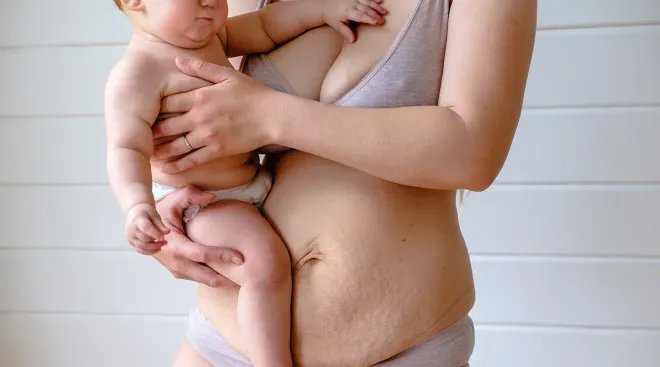
During the postpartum period, women experience various physical changes as their bodies adapt to the aftermath of childbirth. One common change is the gradual reduction of uterine size as it returns to pre-pregnancy dimensions. This process https://goodmorning.day, known as involution, involves the shedding of the uterine lining, which may lead to postpartum bleeding called lochia.
Additionally, the breasts go through modifications to prepare for lactation. They may become engorged, tender, or leak colostrum, the initial milk produced. Hormonal fluctuations can also result in hair loss or changes in skin texture.
Understanding these postpartum body changes is essential for women to navigate this period with confidence and knowledge, promoting a smoother transition into motherhood.
Nutritional Support for Recovery
Amidst the array of physical changes experienced postpartum, maintaining a nourishing diet rich in essential nutrients is crucial for aiding the body’s recovery process. Proper nutrition plays a vital role in replenishing the body’s depleted stores, supporting healing, and boosting energy levels during this demanding period. Including a variety of fruits, vegetables, whole grains, lean proteins, and healthy fats in your diet can help promote overall wellness and accelerate recovery.
Additionally, staying hydrated is key to supporting bodily functions and milk production if breastfeeding. Consulting with a healthcare provider or a nutritionist can provide personalized guidance on dietary needs postpartum, ensuring optimal nourishment for both physical recovery and overall well-being.
Exercise and Physical Activity Recommendations
Following the focus on nutritional support for recovery, it is essential to address the significance of incorporating appropriate exercise and physical activity recommendations into postpartum wellness. Engaging in physical activity postpartum can aid in restoring muscle strength, improving mood, and increasing energy levels.
It is recommended to start with gentle activities like walking or postpartum yoga and gradually progress to more intense exercises as the body strengthens. Listening to one’s body and consulting with a healthcare provider are crucial in determining the right intensity and type of exercise.
Including both cardiovascular exercises and strength training can help in regaining overall fitness and promoting long-term health. Finding enjoyable activities that fit into the new routine as a new parent is key to sustaining a consistent exercise regimen.
Mental Health and Emotional Well-being
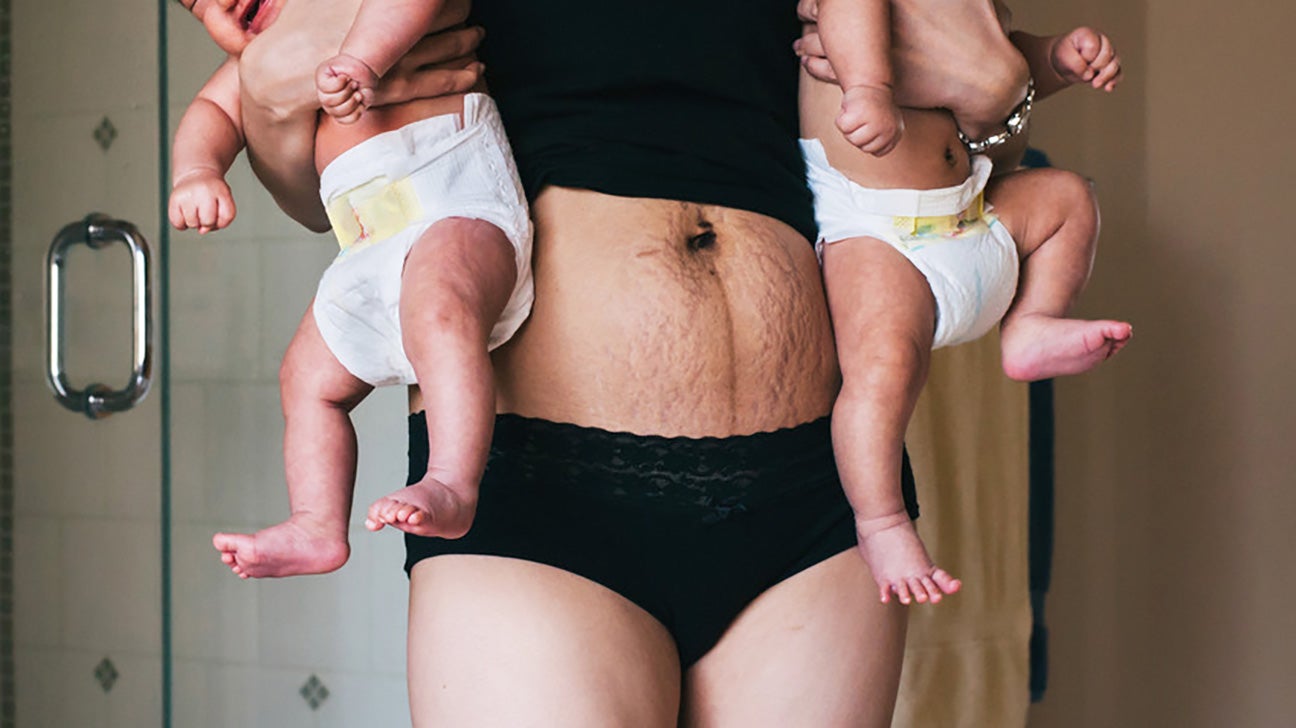
The mental health and emotional well-being of individuals after childbirth play a crucial role in postpartum wellness.
It is normal for new parents to experience a range of emotions during this period, including joy, anxiety, sadness, and stress. Taking care of one’s mental health is essential for overall well-being. Practices such as mindfulness, meditation, and talking to a therapist can help in managing these feelings.
It is important to remember that seeking support is a sign of strength, not weakness. Additionally, maintaining open communication with a partner, family, and friends can provide a valuable support system.
Prioritizing self-care, setting realistic expectations, and being patient with oneself are key elements in promoting mental health and emotional well-being postpartum.
Self-Care Practices for New Moms
For new moms, prioritizing self-care is essential for overall postpartum wellness. Taking time for oneself amidst the demands of caring for a newborn can have a profound impact on physical and emotional well-being.
Simple self-care practices can include finding moments to rest when the baby sleeps, nourishing the body with healthy foods, staying hydrated, and engaging in gentle exercises like postnatal yoga or short walks. It is also crucial to ask for help from partners, family members, or friends to allow for moments of relaxation or pursuing personal interests.
Self-care is not selfish; it is a necessary investment in a mother’s health and ability to care for her newborn with love and energy.
Conclusion
In conclusion, postpartum wellness is crucial for new mothers to support their physical, emotional, and mental health after childbirth.
Understanding the body changes, seeking nutritional support, engaging in appropriate exercise, prioritizing mental health, and practicing self-care are essential components of postpartum recovery.
By focusing on these aspects, new mothers can navigate the challenges of the postpartum period and promote overall well-being for themselves and their newborns.