

In this article, we will explore the pros and cons of radiations, shedding light on the advantages and disadvantages of this technology.
Through a thorough and analytical examination Lead partition, we will delve into the various applications of radiation technology, as well as the associated health risks and safety measures to minimize exposure.
This comprehensive analysis aims to provide the audience with an informed understanding of the benefits and drawbacks of radiations, allowing for an informed perspective on this topic.
The Advantages of Radiations
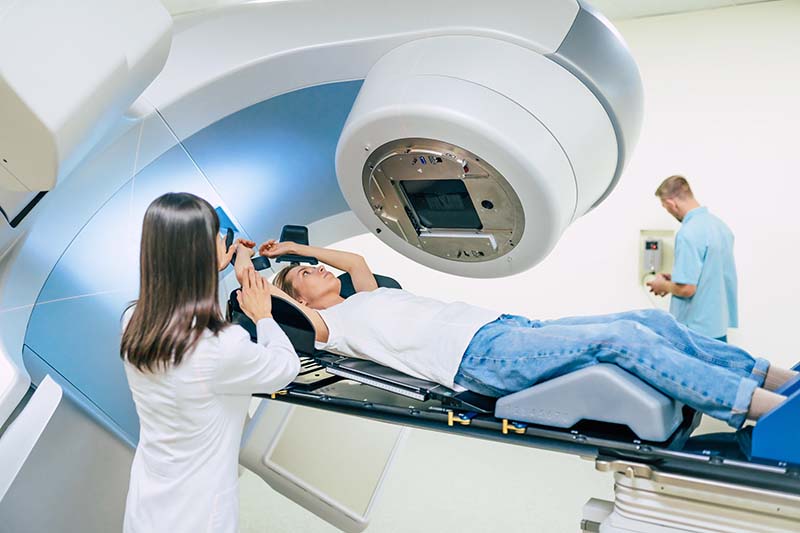
Radiations offer a range of benefits, including their ability to diagnose and treat various medical conditions. One of the key advantages of radiation therapy is its effectiveness in treating cancer. With advancements in radiation technology Lead partition, doctors can now deliver precise and targeted doses of radiation to cancerous tumors, minimizing damage to surrounding healthy tissues. This has significantly improved the outcomes for cancer patients, increasing their chances of survival and reducing the need for invasive surgeries.
Additionally, radiation therapy can be used as a palliative treatment to relieve symptoms and improve the quality of life for patients with advanced cancers.
Furthermore, radiations play a crucial role in diagnostic procedures such as X-rays, CT scans, and PET scans, allowing doctors to visualize internal structures and identify abnormalities.
The benefits of radiation therapy and the continuous advancements in radiation technology have revolutionized the field of medicine, providing safer and more effective treatment options for patients.
The Disadvantages of Radiations
Exposure to high levels of radiation can have detrimental effects on human health, including an increased risk of cancer and genetic mutations. While radiation therapy has revolutionized cancer treatment, it is not without its drawbacks.
One of the main disadvantages of radiation therapy is the potential for radiation poisoning. This occurs when the body is exposed to high doses of radiation, resulting in damage to cells and tissues. Symptoms can range from nausea and vomiting to severe burns and even death.
Moreover, long-term exposure to radiation can lead to an increased risk of developing secondary cancers. It is crucial for healthcare professionals to carefully assess the risks and benefits of radiation therapy for each individual patient to minimize the potential harm caused by radiation exposure.
Applications of Radiation Technology
Radiation technology has a wide range of applications in various fields, including medicine, industry, and agriculture.
In medicine, radiation therapy is used to treat cancer by targeting and destroying cancer cells. It has proven to be an effective treatment option, but it also raises concerns about the environmental impact of radiation technology. The disposal of radioactive waste and the potential for accidents or leaks can have serious consequences for the environment.
Additionally, the use of radiation technology in industry and agriculture has ethical considerations. In industry, radiation is used for sterilization and quality control purposes, but it must be handled responsibly to prevent harm to workers and the surrounding community.
In agriculture, radiation is used to induce genetic mutations in plants for improved crop yield, but the long-term effects on the environment and potential risks to consumers must be carefully considered and monitored.

Health Risks Associated With Radiations
The health risks associated with prolonged and uncontrolled exposure to ionizing radiation are a major concern in various industries and medical fields. Ionizing radiation, such as X-rays and gamma rays, can penetrate the body and damage cells, leading to potential long-term effects, including increased risk of cancer.
The level of risk depends on factors such as the dose and duration of exposure, as well as individual susceptibility. Studies have shown that exposure to high levels of ionizing radiation can significantly increase the likelihood of developing various types of cancer, including lung, breast, and thyroid cancer.
Furthermore, radiation can also cause other health issues, such as genetic mutations and damage to organs and tissues. Therefore, it is crucial to monitor and control radiation exposure to minimize these risks and ensure the safety of workers and patients in radiation-related industries and medical settings.
Safety Measures to Minimize Radiation Exposure
To ensure the safety of workers and patients in radiation-related industries and medical settings, implementing appropriate safety measures is crucial.
One of the most important safety measures is the use of protective clothing. This includes wearing lead aprons, gloves, and goggles to shield the body from harmful radiation. Protective clothing acts as a barrier, reducing the risk of radiation exposure and preventing the absorption of radioactive particles into the body.
Another important safety measure is the proper handling and disposal of radioactive materials. This involves following strict protocols and guidelines to minimize the risk of contamination. It is essential to store radioactive materials in designated containers and ensure they are labeled properly. Additionally, radioactive waste must be disposed of in accordance with regulations to prevent environmental contamination.
Conclusion
In conclusion, radiations have both advantages and disadvantages.
On one hand, radiation technology has various applications in fields like medicine, industry, and research.
On the other hand, exposure to radiation can pose health risks and requires strict safety measures to minimize potential harm.
It is crucial to weigh the benefits and drawbacks of radiations and adopt appropriate safety measures to ensure the optimal use of this technology while protecting human health and the environment.