

Navigating the vast landscape of tuition options for secondary Chinese exam preparation in Singapore can be a daunting task. From private tutors to online platforms and study groups, students seeking academic support have various avenues to explore chinese tuition.
This article delves into the diverse tuition options available, providing insights and guidance for those looking to enhance their Chinese language proficiency and excel in their secondary examinations. Discover the tailored support that suits your learning needs and aspirations.
Private Tutors
The availability of private tutors for secondary Chinese exam preparation in Singapore offers personalized instruction tailored to individual student needs yanzi mandarin. Private tutors provide a flexible and focused learning environment, allowing students the freedom to delve deeper into challenging topics or review areas where they may be struggling.
With one-on-one guidance, students can progress at their own pace, receiving immediate feedback and targeted support. This tailored approach fosters a sense of autonomy and empowerment in students, enabling them to take ownership of their learning journey.
Private tutors also adapt their teaching methods to suit the unique learning styles and preferences of each student, promoting a sense of freedom in how they engage with the material. Ultimately, private tutoring offers students the opportunity to excel in their secondary Chinese exam preparation with personalized, student-centered instruction.
Group Classes
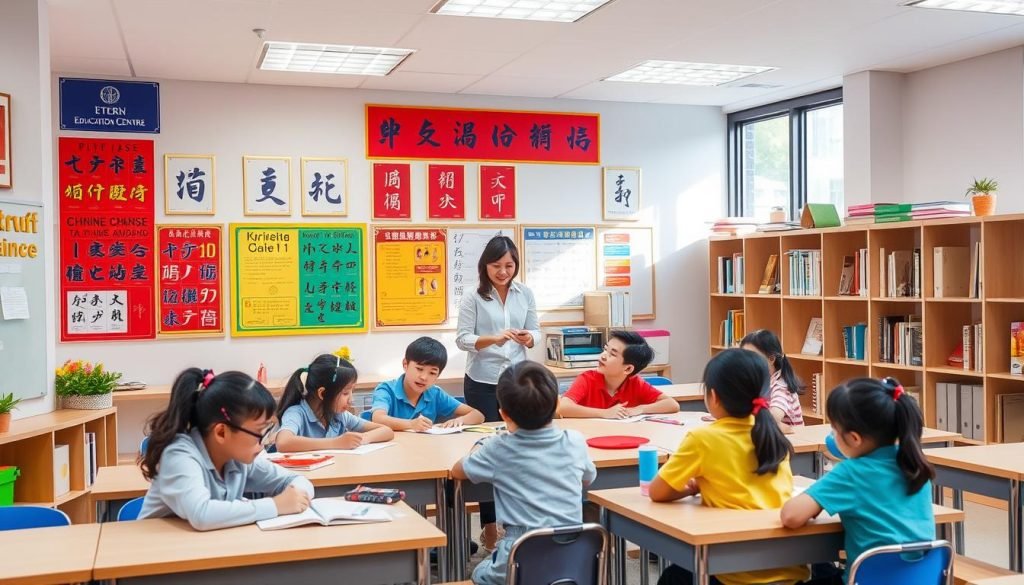
Group instruction in secondary Chinese exam preparation in Singapore offers collaborative learning experiences for students aiming to enhance their language skills in a classroom setting.
Group classes provide a dynamic environment where students can engage with peers, participate in group discussions, and practice Chinese language concepts together. This format allows students the freedom to interact with classmates, share perspectives, and learn from each other’s strengths and weaknesses.
Additionally, group classes often incorporate interactive activities and group projects that encourage teamwork and communication skills. By joining group classes for secondary Chinese exam preparation, students have the flexibility to benefit from a social and supportive learning environment while working towards their academic goals.
Online Platforms
Transitioning from traditional group classes, students seeking secondary Chinese exam preparation in Singapore can now access online platforms for interactive and flexible learning experiences. These online platforms offer the freedom to study at any time and place, catering to students with busy schedules or those who prefer self-paced learning.
Through features like live virtual classes, interactive exercises, and multimedia resources, students can engage with the material effectively. Additionally, online platforms often provide personalized feedback and progress tracking, allowing students to monitor their improvement closely.
With the convenience and accessibility that online platforms offer, secondary students preparing for Chinese exams can now enjoy a more dynamic and tailored learning experience that fits their individual needs and preferences.
Language Schools
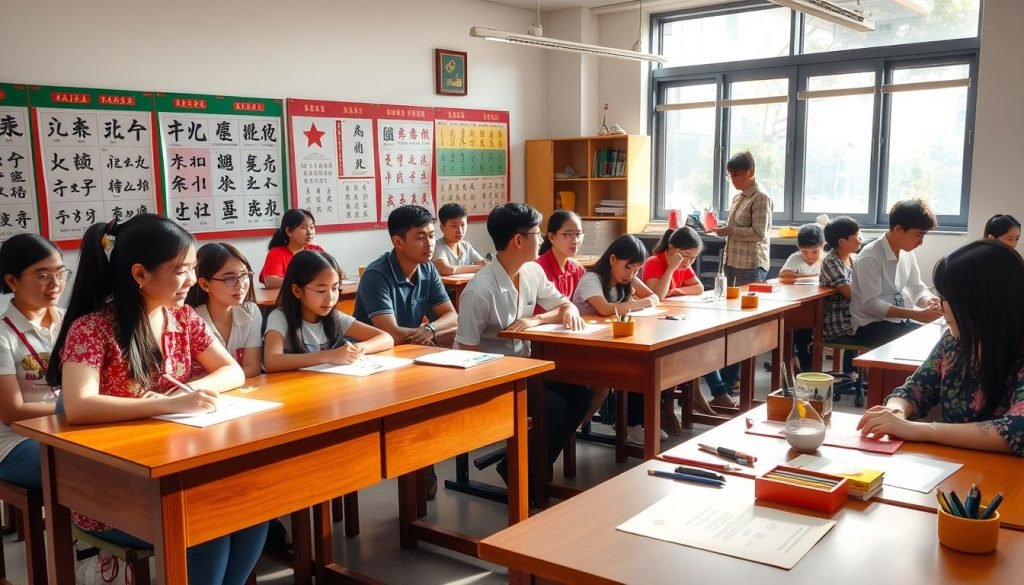
For students seeking secondary Chinese exam preparation in Singapore, exploring language schools provides a structured and immersive learning environment. Language schools offer a range of programs tailored to suit different proficiency levels, ensuring that students receive targeted guidance to excel in their Chinese language studies.
These schools often employ experienced instructors who utilize interactive teaching methods to engage students actively. Additionally, language schools frequently organize cultural activities and language immersion programs to enhance students’ understanding and appreciation of the Chinese language and culture.
Study Groups
The language schools in Singapore offer students seeking secondary Chinese exam preparation a structured and immersive learning environment; within these settings, the study groups provide an additional avenue for collaborative learning and targeted exam preparation. Study groups allow students to engage with peers, exchange ideas, and work together to deepen their understanding of the Chinese language.
By participating in study groups, students can benefit from diverse perspectives, receive feedback on their progress, and gain valuable insights into effective study techniques. These collaborative sessions also foster a sense of community among students, creating a supportive network that encourages mutual growth and success.
Embracing study groups as part of secondary Chinese exam preparation can enhance students’ learning experiences and outcomes.
Conclusion
In conclusion, students preparing for their secondary Chinese exams in Singapore have various tuition options available to them.
Private tutors offer personalized one-on-one instruction, while group classes provide a collaborative learning environment.
Online platforms offer convenient access to study materials and practice exercises. Language schools offer structured courses with experienced instructors, and study groups allow for peer support and discussion.
By exploring these tuition options, students can enhance their Chinese language skills and improve their exam performance.