

In today’s rapidly evolving digital landscape CCTV sg, the necessity of robust security systems for both residential and commercial properties cannot be overstated.
This comprehensive guide equips you with the knowledge and insights needed to navigate the myriad options available, empowering you to make informed decisions that align with your unique security requirements.
From identifying your needs to budgeting for solutions, this article serves as an indispensable resource for those seeking to safeguard their premises with cutting-edge technology and foolproof monitoring mechanisms.

Identifying Your Security Needs
Identification of security needs is essential for selecting appropriate security systems for residential and commercial properties. Understanding the specific requirements of your property is crucial in ensuring that the chosen security system aligns with your freedom-oriented perspective.
Factors such as the size of the property, location CCTV camera Singapore, level of foot traffic, and potential security threats must be carefully considered. For residential properties, the focus may be on protecting personal belongings and ensuring the safety of family members. In contrast, commercial properties may require more advanced security measures to safeguard sensitive information and valuable assets.
Evaluating Technology and Features
When evaluating technology and features for security systems in residential and commercial properties, it is imperative to consider the specific requirements identified in the previous subtopic. Assessing the technology entails examining factors such as ease of use, integration with existing systems, remote access capabilities, and scalability for future needs.
Features to consider include motion sensors, video surveillance, alarm systems, and smart automation options. For those seeking freedom in their security choices, it is essential to prioritize systems that offer customizable settings and flexibility in expanding or upgrading components.
Understanding Installation and Integration
Continuing the evaluation of security systems for residential and commercial properties, one crucial aspect to consider is understanding the installation and integration processes. Installation involves setting up the security system components such as cameras, sensors, and control panels to ensure optimal coverage and functionality.
Integration refers to the seamless connection of these components to work together efficiently. When choosing a security system, it is essential to assess whether the installation process aligns with your property’s layout and your specific security needs.
Additionally, understanding how different components integrate with each other can enhance the overall effectiveness of the system. Prioritize systems that offer easy installation and smooth integration to provide a sense of freedom and peace of mind regarding your property’s security.
Comparing Monitoring Options
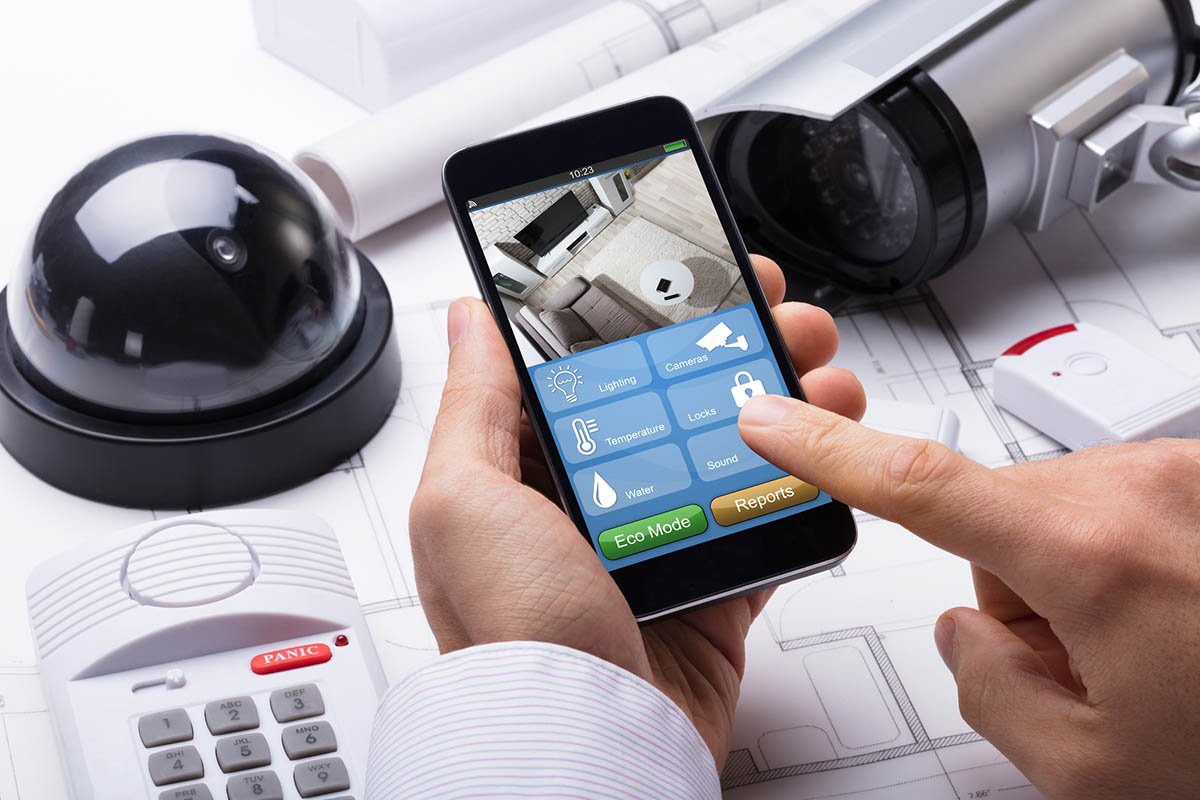
To ensure comprehensive security coverage for residential and commercial properties, evaluating the monitoring options available is essential. When comparing monitoring services, it’s crucial to consider factors such as responsiveness, reliability, and customization capabilities. Some monitoring options offer 24/7 surveillance, instant alerts in case of suspicious activities, and the ability to integrate with other smart devices for seamless security management.
For those seeking freedom and flexibility, self-monitoring systems provide autonomy to oversee their property without the need for professional monitoring services. On the other hand, professional monitoring services offer peace of mind by having dedicated personnel monitoring your property round the clock. Ultimately, the choice between self-monitoring and professional monitoring depends on individual preferences, budget, and security needs.
Budgeting for Security Solutions
In evaluating security solutions, transitioning from comparing monitoring options is a critical consideration for both residential and commercial properties. Setting a budget ensures that you invest wisely in a system that meets your security needs without overspending.
Residential properties may opt for cost-effective options like DIY security systems or professionally monitored services, depending on their budget constraints. On the other hand, commercial properties often require more comprehensive security measures, which can impact the overall cost. It’s essential to prioritize security features that align with your budget while providing the necessary protection for your property.
Conclusion
In conclusion, selecting the appropriate security system for residential or commercial purposes requires a careful assessment of security needs, technology, installation, monitoring options, and budget considerations.
By thoroughly evaluating these factors, individuals and businesses can make informed decisions to protect their properties and assets effectively.
It is crucial to prioritize security measures that align with specific requirements and ensure seamless integration of the chosen security system for optimal protection.