

Effective selection aligns bed bug biology, life stage vulnerability, and formulation performance. Sprays with neurotoxins (pyrethroids, neonicotinoids) target adults and nymphs; IGRs and chitin-synthesis inhibitors disrupt development but are weakly ovicidal. Encapsulated formulations and synergists extend residuals and improve penetration into seams and cracks. Prioritize labeled safety for children pest control for rats, pets, and ventilation limits. Rotate chemistries to manage resistance and combine with encasements or heat for eggs. Further sections cover product comparisons, application protocols, and decision criteria.
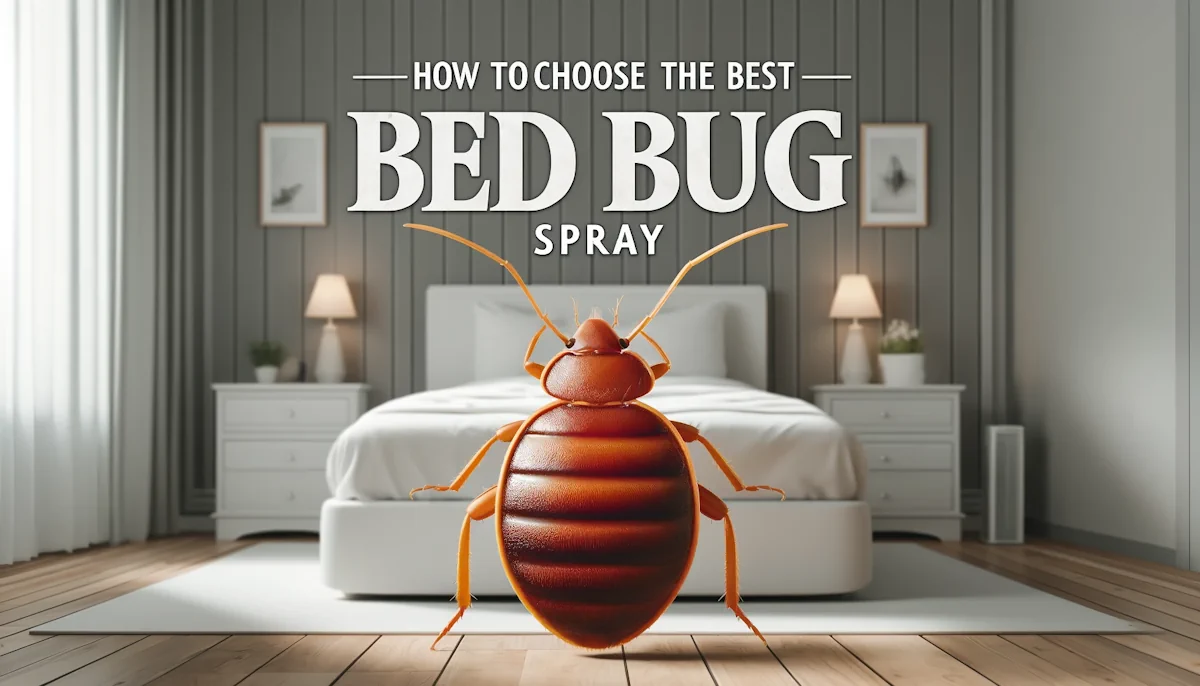
Understanding Bed Bug Biology and Why It Matters for Spray Selection
Understanding the biology of Cimex lectularius is essential to selecting an effective bed bug spray because life stage, behavior, and physiology determine susceptibility and exposure pathways https://igreenasia.com/. The species displays discrete harboring preferences—cracks, mattress seams, furniture joints—that concentrate individuals and limit spray penetration. Behavioral cues, such as aggregation pheromones and nocturnal host-seeking, influence contact probability and best application timing. Mating aggregation events create localized high-density patches with mixed-age cohorts, affecting population targets. Thermal tolerance ranges constrain the efficacy window for temperature-dependent delivery systems and influence residual activity under variable room conditions. An engineering-minded approach prioritizes formulations and delivery methods that account for microhabitat shielding, differential exposure across stages, and behavioral modulation to maximize contact while minimizing non-target deposition.
Active Ingredients: What Works Against Adults, Nymphs, and Eggs
Effective chemical control of bed bugs requires selection of actives with documented efficacy against both mobile stages and ova. Pyrethroids, neonicotinoids and insect growth regulators are commonly used to incapacitate and kill adults and nymphs, while ovicidal activity is typically limited to specific formulations containing hydrogen peroxide, desiccants (e.g., diatomaceous earth in aerosol mixes), or certain synthetic pyrethroids combined with synergists and high-concentration contact agents. The following section compares these actives by mode of action, residual performance, and demonstrated activity against eggs versus mobile stages.
Adult & Nymph Control
Targeting bed bug adults and nymphs requires selection of active ingredients with rapid knockdown and residual efficacy; pyrethroids, neonicotinoids, and insect growth regulators (IGRs) are the primary classes used, often in combination to broaden spectrum and mitigate resistance. Optimal formulations pair fast-acting neurotoxins (for immediate reduction) with longer-lasting residuals to intercept wandering nymphs. Novel synergists and microencapsulation technologies enhance delivery and stability on substrates. Integrated deployment complements sprays: heat treatments displace hidden populations into treated zones, while mattress encasements reduce harborages and prolong exposure. Application precision—directed residuals in seams, baseboards, and electrical outlets—maximizes contact rates. Monitoring for behavioral avoidance and resistance guides rotation of chemistries. Safety margins and label adherence remain essential to operational efficacy and innovation adoption.

Egg-Targeting Actives
How can chemical strategies be optimized to neutralize bed bug eggs without compromising control of mobile stages? The focus is on integrating oviposition inhibitors and chitin synthesis targeters with neurotoxic or growth-regulating actives to achieve spectrum coverage. Oviposition inhibitors reduce egg-laying rates, lowering recruitment, while chitin synthesis targeters disrupt embryogenesis and hatching by impairing cuticle formation. Formulation science must balance residual persistence, penetration enhancers, and compatibility to avoid antagonism between modes of action. Application protocols should sequence treatments: oviposition suppression early, followed by residuals effective against nymphs and adults, or combined microencapsulation for co-delivery. Resistance management requires rotating targets and monitoring efficacy. Safety and environmental profiles guide selection toward innovative chemistries with targeted endpoints and minimal non-target impact.
Safety Considerations for Families, Pets, and Indoor Use
When selecting and applying bed bug sprays, consumers must prioritize human and animal safety by evaluating active ingredients, application methods, and labeled exposure limits. Assessment protocols should include verification of child safe formulations and explicit pediatric exposure thresholds. Product labels and safety data sheets must document toxicology, permissible residual concentrations, and contraindications for pregnant occupants. Pet-specific risks require identification of species-sensitive chemistries and guidance for temporary removal. Indoor deployment necessitates adherence to ventilation requirements, air-exchange rates, and particle-size controls to minimize inhalation. Integrated use should favor low-volatility actives, encapsulated or microencapsulated delivery, and clearly defined re-entry intervals. Regulatory compliance, third-party efficacy validation, and professional consultation are recommended to align innovation with occupant safety.
Application Methods, Timing, and Preventing Resistance
Following safety and exposure constraints, practical deployment of bed bug sprays requires methodical selection of application techniques, scheduling, and resistance-management practices to preserve efficacy while minimizing risks. The practitioner should optimize nozzle placement to target harborages, control droplet size, and avoid overspray. Interval timing must align with product label kinetics and life-cycle vulnerability to interrupt reproduction. Drying time influences re-entry and efficacy; consequently, environmental controls (ventilation, humidity) are adjusted to standardize cure. Rotation strategies among active ingredients reduce selection pressure and delay resistance emergence. Integrated monitoring verifies operational outcomes and informs adaptive adjustments. Documentation of applications, intervals, and observed knockdown supports iterative improvement and innovation in treatment protocols.
Methodical application—targeted nozzle placement, timed intervals, active-ingredient rotation, and monitoring—minimizes exposure while preserving spray efficacy.
- Precise nozzle placement and droplet control
- Scheduled interval timing per life stage
- Active-ingredient rotation strategies
Comparing Commercial, DIY, and Eco-Friendly Spray Options
Several categories of bed bug sprays—commercial, do-it-yourself (DIY), and eco-friendly—differ in formulation, labeled efficacy, regulatory oversight, and risk profile, so selection should be based on documented efficacy against Cimex lectularius, mode of action, residual persistence, and safety constraints. Commercial products often contain pyrethroids, neonicotinoids, or insect growth regulators; they provide quantified residual activity and require adherence to label use, enabling reproducible outcomes but raising resistance and human exposure considerations. DIY mixtures prioritize accessibility and rapid knockdown but lack standardized efficacy data and can produce inconsistent residuals. Eco-friendly options deploy botanical actives or desiccants, emphasize pet safe formulas and lower toxicity, and suit integrated pest management strategies. Across categories, adoption should be paired with long term monitoring to verify eradication and detect resistance emergence.
When to Attempt Treatment Yourself and When to Hire a Professional
Often a homeowner can effectively address a small, well-contained bed bug infestation using targeted spray treatments and non-chemical controls, provided there is accurate identification of Cimex lectularius, access to EPA-registered products with documented efficacy, and adherence to label directions and integrated pest management (IPM) practices. Decision criteria hinge on infestation scale, residence complexity, occupant vulnerability, and regulatory or rental constraints. DIY is efficient where detection is early, spread is limited, and occupants accept residual monitoring. Professional engagement is prudent for large, propagated infestations, multi-unit buildings, or where legal liability and documentation are critical.
- Early-stage, single-room infestations: consider DIY with validated products and monitoring.
- Multi-unit or complex harborages: recommend licensed professionals for containment and reporting.
- High-risk occupants or legal liability concerns: prioritize certified pest management providers.
Conclusion
Selecting an appropriate bed bug spray requires integrating entomological knowledge, active-ingredient efficacy across life stages, safety profiles for occupants and pets, and proper application techniques to minimize resistance. Professionals and informed homeowners should evaluate commercial, DIY, and eco-friendly formulations against documented residual activity and ovicidal properties. Where infestations are extensive or resistance suspected, professional intervention is recommended. Ultimately, objective assessment of efficacy, exposure risk, and treatment scope dictates the most effective, evidence-based control strategy.